
Responsible online casino participation shares the same consumer protection principles we apply to energy decisions: transparency, informed choice, and accountability. When Alberta consumers engage with all cryptocurrency casino games or traditional platforms, they need the same framework we advocate for in utility services: clear disclosure of costs, realistic expectations about outcomes, and access to support when problems arise.
The digital gaming industry consumes substantial energy resources. Data centers powering online casinos worldwide use electricity equivalent to mid-sized municipalities, making energy efficiency a legitimate consumer concern even in entertainment choices. Just as we help Albertans compare energy rates and understand their utility bills, the principles of informed decision-making apply when selecting online entertainment providers.
Consumer advocacy isn’t about telling people how to spend their leisure time or money. It’s about ensuring they have the tools to make smart choices, understand the real costs involved, and know where to turn if something goes wrong. Whether you’re reviewing an energy contract or setting entertainment budgets, the same financial literacy skills protect your household.
This guide applies consumer protection standards to online casino participation without endorsement or judgment. You’ll find practical strategies for budget management, platform evaluation criteria similar to those we use for energy providers, and warning signs that mirror utility service red flags. The goal is straightforward: if Alberta consumers choose to participate in online gaming, they should do so with the same informed approach they bring to any service purchase.
The Energy Footprint of Online Casino Operations
Data Centers and Server Infrastructure
Online gaming platforms operate around the clock, which means their server infrastructure never stops running. These facilities house thousands of servers processing bets, tracking user accounts, generating random outcomes, and maintaining game graphics in real time. Unlike a typical website that might handle occasional traffic spikes, casino platforms must guarantee instant response times 24/7, requiring continuous electrical draw from local and regional power grids.
The cooling systems supporting these servers often consume as much electricity as the computing equipment itself. Server rooms generate intense heat, and maintaining optimal operating temperatures demands industrial-scale air conditioning and ventilation systems that run constantly. This creates a compounding energy demand that data centers consume electricity at rates comparable to small cities.
Redundant power supplies add another layer of consumption. Gaming operators maintain backup generators, uninterruptible power systems, and duplicate server arrays to prevent any service interruption. If one system fails, another instantly takes over, doubling the baseline infrastructure and its associated energy requirements. For Alberta consumers, this means every hour spent at an online casino indirectly draws from the same provincial grid powering homes and businesses.
Your Energy Bill Connection
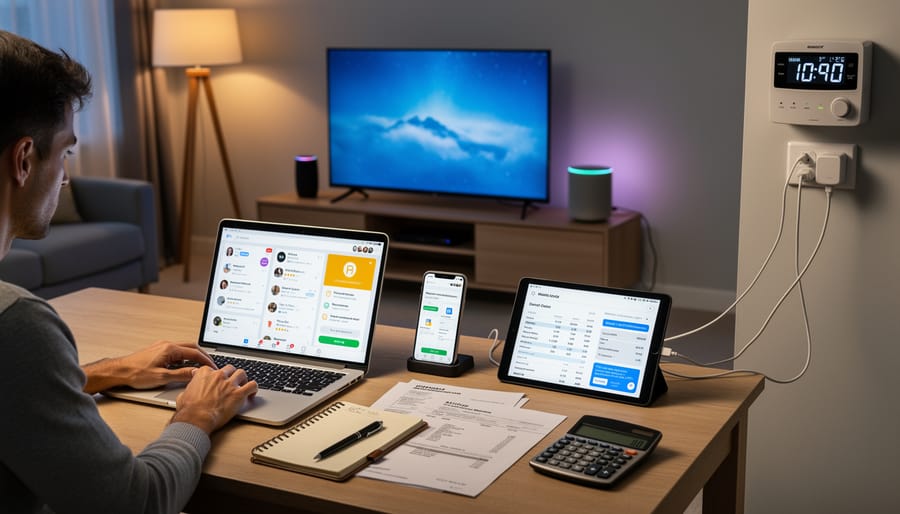
When you engage in extended online gaming sessions, your computer or mobile device draws continuous power that adds to your household electricity consumption. While a single gaming session might seem negligible, regular participation can contribute measurably to your monthly usage, particularly during Alberta’s peak demand periods when electricity prices often rise.
Online casino platforms require your device to maintain constant internet connectivity, process graphics-intensive content, and run multiple background applications simultaneously. Desktop computers under sustained gaming loads can consume 200-300 watts per hour, while even smartphones and tablets add incremental draw over extended sessions. These costs appear as part of your total kilowatt-hour usage.
Alberta’s electricity market operates on supply and demand principles, meaning collective increases in digital consumption across the province can influence wholesale pricing and grid strain during high-demand periods. When thousands of residents simultaneously engage in energy-intensive online activities during evening hours, it contributes to peak load conditions that affect rates for all consumers.
To understand how your gaming habits impact your household costs, learn how to read your bill and track monthly consumption patterns. Comparing usage during periods of frequent online activity against quieter months reveals the actual financial impact of your digital entertainment choices.
Consumer Protection Principles That Apply to Both Energy and Online Gaming
Transparency and Clear Terms
When you receive your monthly energy bill, you expect to see clearly itemized charges, rate structures, and explanations for any fees. This transparency lets you verify costs, compare providers, and challenge errors. The same principle applies when you choose an online gaming platform.
Legitimate operators display Return to Player (RTP) percentages for each game, publish their payout histories, and provide accessible terms that explain bonus conditions, wagering requirements, and withdrawal procedures. Hidden fees in utility billing harm consumers just as buried terms in gaming platforms do. Before you commit to either service, you should be able to understand exactly what you’re paying for, what the odds are, and what rules govern the relationship. If a platform obscures this information or makes terms difficult to locate, that’s a red flag signaling poor consumer practice.
Setting Personal Limits and Budgets
Smart consumers set boundaries before they start spending. Just as you wouldn’t run every appliance in your home simultaneously without considering your electricity bill, you shouldn’t participate in online gaming without predetermined financial limits.
The budgeting approach mirrors responsible energy consumption. You track your monthly utility usage and adjust habits when bills climb too high. Apply the same discipline to gaming: decide what you can afford to lose before you play, treat that amount as an entertainment expense, and stop when you reach it. Many online platforms now offer deposit limits and session reminders, tools that function like programmable thermostats for your wallet.
The key difference? Your furnace provides essential warmth; casino games provide discretionary entertainment. Budget accordingly, with gaming funds coming only from disposable income after all necessary expenses are covered.
Access to Dispute Resolution
When your electricity bill doesn’t match what you expected or your natural gas charges seem incorrect, you have a clear path forward. In Alberta, UCA mediation for billing disputes provides consumers with free, neutral assistance when direct conversations with their provider fail. This structured approach ensures you’re not left fighting alone against a larger organization.
The same protection framework should exist for online gaming disputes, whether over withheld payouts, account closures, or promotional terms that weren’t honoured. Yet many online platforms lack accessible complaint channels or independent arbitration. This gap matters because mediation resolves disputes more efficiently than legal action, saving consumers time and money while holding service providers accountable. Before choosing any gaming platform, verify they offer transparent complaint procedures and third-party dispute resolution, not just generic customer service emails that lead nowhere.
Practical Responsible Gaming Guidelines for Alberta Consumers
Treating Gaming as Entertainment, Not Income
The most critical mindset shift is treating every dollar spent on online gaming exactly as you’d budget for your monthly Netflix subscription or utility bill, a known, limited entertainment expense with no expectation of return. Just as you wouldn’t consider your electricity payments an investment strategy, gaming costs should come from discretionary income after covering essentials.
Set a strict monthly gaming budget the same way you allocate funds for dining out or streaming services. Many Alberta residents find success using the same payment options they use for utilities, prepaid cards or separate accounts that physically limit spending.
Track this expense category in your household budget alongside other entertainment costs. If you’re spending more time thinking about “winning back losses” than enjoying the activity itself, you’ve crossed from entertainment into problematic territory. Winnings, when they occur, should be treated as pleasant surprises that reduce your entertainment cost for that period, never as income to depend on or reinvest aggressively.
Monitoring Your Digital Energy Use
Online casino sessions drain your device battery faster than passive browsing because of constant graphics rendering and server communication. A typical smartphone uses 2-3 watts during active gaming, while a laptop draws 15-30 watts, modest individually, but multiplying across hours adds up on your electricity bill.
Track your actual usage by checking your device’s screen-time reports weekly. Most smartphones show app-by-app energy consumption in battery settings. If casino apps consistently rank in your top three energy consumers, you’re likely spending more time and electricity than intended.
Set hard stop points: when your device hits 40% battery during an untethered session, that’s your natural break signal. For desktop play, use a simple outlet timer or smart plug to monitor kilowatt-hours consumed during gaming periods. Comparing this data monthly gives you concrete numbers for both your entertainment budget and your household energy footprint.
When to Seek Help: Resources for Alberta Residents
Recognizing when you need assistance, whether with an unmanageable energy bill or concerning gambling habits, demonstrates responsible consumer behavior, not weakness. Alberta residents have access to dedicated support services for both areas.
For energy bill challenges, Alberta Energy Providers offers free mediation services to help resolve disputes with utility companies over billing errors, unexplained rate increases, or payment arrangements. If financial strain makes it difficult to cover your electricity or natural gas costs, exploring safer alternatives to high-interest borrowing can prevent compounding financial problems. Many utility providers offer payment extension programs or budget billing options when contacted proactively.
For gambling-related concerns, the Alberta Health Services Addiction and Mental Health Helpline (1-866-332-2322) operates 24/7 with confidential support. The Alberta Gambling Research Institute provides resources and referrals, while the Problem Gambling Help Line (1-866-299-2447) connects callers with counselors trained specifically in gambling issues. These services remain completely confidential and free.
Warning signs that suggest seeking help include: spending money intended for bills on gambling, borrowing to fund gaming activity, lying to family about gambling habits, feeling anxious or irritable when not gambling, or chasing losses by betting more to recover money. Similarly, if you’re avoiding utility bills, hiding energy usage from household members, or choosing gambling over essential expenses, reach out to appropriate services.
Both types of support services understand that financial stress often intersects. Counselors can help address overlapping issues, connecting you with debt management resources, family support services, and practical budgeting assistance tailored to Alberta’s cost-of-living realities.
Common Questions About Energy Use and Online Gaming
Does online gaming significantly increase my electricity bill?
Individual device usage for online gaming typically adds only a few dollars monthly to your electricity bill. However, extended sessions on high-performance computers or multiple devices can increase consumption, and the collective demand from thousands of Alberta gamers does contribute to provincial grid load during peak hours.
Can I dispute charges from online gaming platforms?
Yes. While Alberta Energy Providers handles utility billing disputes, you can challenge unauthorized or incorrect gaming platform charges through your financial institution’s dispute process or the platform’s customer service department. Keep records of all transactions and communications.
What consumer protections exist for Alberta online gamers?
Alberta residents are protected by federal consumer protection laws regarding online transactions, credit card dispute rights, and fraud prevention measures. Licensed gaming platforms operating in Canada must also follow regulatory standards for fair play, responsible gaming tools, and secure payment processing.
How does responsible energy use relate to responsible gaming?
Both require setting personal limits, monitoring your consumption patterns, and recognizing when usage exceeds your budget or needs. The same self-awareness that helps you manage utility costs effectively applies to tracking gaming spending and time commitment.
These questions reflect concerns many Alberta consumers have when considering how their online activities affect both their household budgets and broader resource consumption. The connection between energy awareness and responsible entertainment choices isn’t always obvious, but applying consistent consumer protection principles to both areas helps you make informed decisions.
Understanding your rights and available resources strengthens your position as a consumer in any service relationship. Whether you’re questioning a utility charge or a gaming transaction, documentation and clear communication remain your most effective tools for resolution.
Whether you’re reviewing your electricity bill or setting aside money for online entertainment, the same core principles protect your interests: transparency, informed choice, and knowing your limits. The consumer advocacy approach that guides fair energy pricing applies equally to responsible gaming, both require clear information, personal boundaries, and access to support when disputes arise.
Alberta residents face decisions daily about how they use resources, from the electricity powering their homes to the time and money allocated for leisure activities. Treating both with the same thoughtful approach reduces risk and prevents problems before they start. You wouldn’t ignore warning signs on an unusually high utility bill, and the same vigilance applies to recognizing changes in your gaming habits.
Alberta Energy Providers remains committed to helping consumers navigate utility billing disputes and access mediation services for energy-related concerns. For gaming-related support, dedicated resources like the Alberta Gambling Helpline (1-866-332-2322) provide specialized assistance. Understanding where to find help for different issues is part of being an informed consumer. The principles don’t change, only the service provider you contact.