
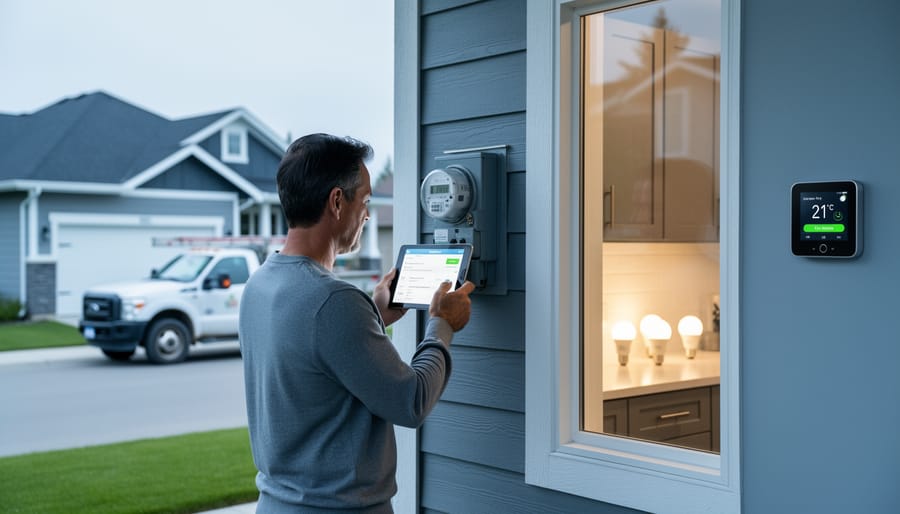
Saving energy in Alberta means two things: paying less per kilowatt-hour by choosing the right retailer, and using fewer kilowatt-hours through smarter habits at home or on the job. Most consumers focus on one or the other, but combining both strategies can cut your annual energy costs by 20 to 40 percent. Switching retailers takes about 15 minutes and carries no service interruption, while conservation measures range from zero-cost habit changes to equipment upgrades that pay for themselves within two years.
Whether you run a small business, manage a farm operation, or simply want to reduce your household bills, understanding how Alberta’s competitive energy market works gives you leverage. You’re not locked into your current retailer, and you have the right to compare rates, switch providers, and implement conservation strategies without penalty. The process is straightforward: identify your consumption patterns, compare available offers, choose a retailer that matches your needs, and layer in practical conservation steps that reduce waste.
This guide walks through the complete switching process, explains who qualifies for different rate structures, and outlines the conservation tactics that deliver measurable results for Alberta consumers in 2026. You’ll also learn your rights during and after a switch, plus where to find help if issues arise.
What Energy Savings Mean When Switching Retailers
Energy savings in Alberta’s electricity and natural gas markets work on two fronts, and understanding both is essential before you switch retailers. The first is rate savings: you can choose default or competitive retail plans, and competitive retailers often offer rates below the Regulated Rate Option (RRO). The RRO is the default rate set by your distribution utility and fluctuates monthly based on market conditions. Competitive retailers, by contrast, let you lock in a fixed rate for a set term or choose variable rates that may differ from the RRO. Switching to a competitive plan can lower your per-unit cost for electricity (measured in kilowatt-hours) and natural gas (measured in gigajoules), but that’s only half the equation.
The second front is consumption savings: how much energy you actually use. A lower rate saves you nothing if your consumption stays high or climbs. Your bill is always rate multiplied by usage, so cutting consumption through efficiency measures, better insulation, adjusted thermostats, efficient appliances, reduces your total cost regardless of which retailer you’re with. This is where conservation and retailer choice intersect: reducing your usage before or during a switch means you’re buying less energy at a better rate, compounding your savings.
Your consumption habits affect your bills under any plan. Heavy usage during peak hours or in winter months drives costs up whether you’re on the RRO or a competitive contract. That’s why assessing your current usage patterns is critical before you shop for a new retailer: it helps you choose a plan that matches your actual needs and identify where conservation efforts will deliver the biggest return. Switching retailers won’t fix wasteful habits, and conservation alone won’t offset an uncompetitive rate. The best approach tackles both at once.
Who Can Benefit from Energy-Saving Strategies While Switching
Alberta’s deregulated energy market doesn’t play favorites. Whether you own a house, rent an apartment, run a coffee shop, or operate a 500-acre grain farm, you’re eligible to shop plans and implement conservation measures that cut your bills.
Residential consumers, homeowners and renters alike, can switch retailers without landlord approval in most cases, since the utility account typically belongs to the tenant. You have the same access to competitive rates whether you live in a condo, detached home, or rental unit. The misconception that renters can’t switch is widespread but wrong: if the bill arrives in your name, you control the retailer relationship.
Small business owners benefit doubly from this approach. Switching to a competitive commercial rate can deliver immediate savings, while conservation measures like upgrading to LED lighting or optimizing HVAC schedules compound those gains. Understanding business rate oversight helps you navigate commercial contract terms that differ from residential offerings.
Farm operations face unique energy demands, irrigation pumps, grain dryers, livestock facilities, but qualify for the same retailer choice as any other consumer. Agricultural rates vary significantly between retailers, and even modest conservation improvements across multiple buildings add up quickly when you’re managing substantial monthly consumption.
The bottom line: if you receive an electricity or natural gas bill in Alberta, you can shop for better rates and reduce waste. No exceptions, no special qualifications required.
How to Switch Retailers While Maximizing Energy Savings
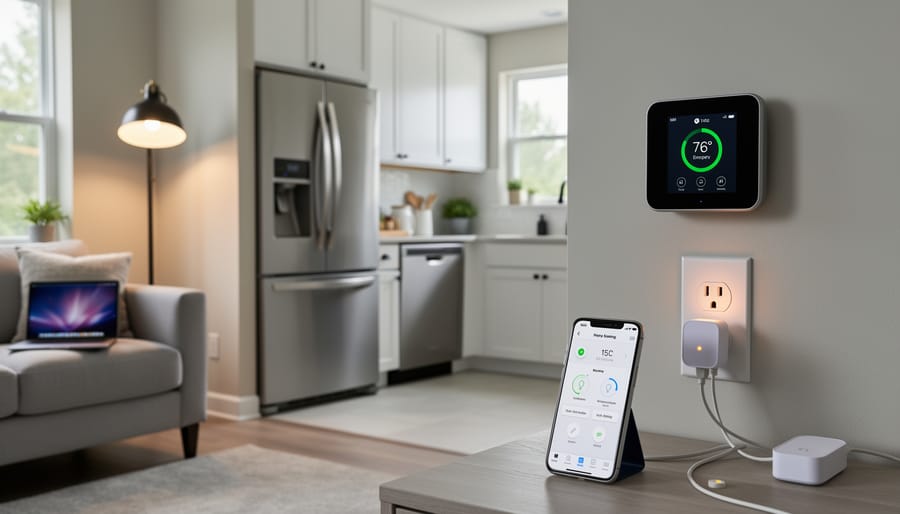
Step 1: Assess Your Current Energy Usage and Costs
Start by gathering your utility bills from the past 12 months. Look for two key numbers: your total kilowatt-hours (kWh) of electricity used and your gigajoules (GJ) of natural gas consumed each month. These figures tell you what you’re actually using, not just what you’re paying.
Chart your usage month by month. You’ll likely spot seasonal patterns: electricity may spike in summer if you run air conditioning, while natural gas peaks in winter for heating. In Alberta, winter heating costs typically dominate for most consumers, making insulation and thermostat management your conservation priorities.
Pay attention to your billing demand charges if you’re a small business or farm operation. Peak demand, your highest usage during on-peak hours, can significantly impact costs. Even residential consumers benefit from understanding when they use the most energy, as some competitive retailers offer time-of-use rates.
This baseline assessment serves two purposes: it shows you where conservation efforts will yield the biggest savings, and it helps you choose a retail plan that matches your actual consumption profile rather than guessing at your needs.
Step 2: Research and Compare Energy Retailers
Start by visiting the UCL’s official comparison tool and at least two independent rate comparison websites to see current offers side-by-side. Look beyond the advertised rate: evaluate whether the plan is fixed-rate (locked pricing for the contract term, protecting you from market spikes) or variable-rate (fluctuates monthly with market conditions). Check contract length, typically ranging from month-to-month to five years, and any early exit fees, which can run $50 to $200 per utility.
Read every contract’s terms and conditions before signing. Pay attention to auto-renewal clauses, billing fees, and whether promotional rates expire after an introductory period. The Energy Consumer Bill of Rights guarantees you clear disclosure of all charges and a cooling-off period after signing, so familiarize yourself with these regulator protections before committing.
Compare total estimated annual costs based on your actual consumption from Step 1, not just the per-kWh or per-GJ rate. A slightly higher rate with no exit fees often beats a rock-bottom rate that locks you in unfavorably.
Step 3: Implement Energy-Saving Measures Before or During the Switch
Reducing your energy consumption before finalizing a new retail contract lets you choose a plan that reflects your actual needs rather than inflated historical usage. Start with your thermostat settings. Lowering your winter heating target by just two degrees Celsius can cut your natural gas consumption by up to 5%, while raising your summer cooling threshold by the same margin delivers comparable electricity savings. Install a programmable or smart thermostat to automate these adjustments when you’re asleep or away.
Next, tackle lighting. Replace incandescent bulbs with LED equivalents throughout your home or business. LEDs use 75% less electricity and last 25 times longer, making them one of the fastest payback efficiency upgrades available. For commercial spaces, add occupancy sensors in low-traffic areas like storage rooms and washrooms.
Check your appliances and equipment. Clean refrigerator coils, replace furnace filters monthly during heating season, and run full loads in dishwashers and washing machines. These simple maintenance tasks prevent efficiency losses that quietly inflate your bills.
Weatherization matters year-round in Alberta’s climate. Seal air leaks around windows and doors with caulking or weatherstripping, and add door sweeps to exterior entries. Inspect attic insulation levels; boosting insulation to current building code standards pays dividends on both heating and cooling costs.
Finally, address behavioral habits. Turn off lights in unoccupied rooms, unplug chargers and electronics when not in use, and shift high-energy tasks like laundry to off-peak hours if your new retailer offers time-of-use pricing.
Step 4: Complete the Retailer Switch
Once you’ve selected a new retailer, contact them directly by phone, online, or through their mobile app to initiate the switch. You’ll need your current utility account number, site ID (found on your bill), and a recent meter reading. The retailer will handle most of the process, including notifying your current provider and coordinating with your distribution utility.
The switch typically takes one to two billing cycles, expect 30 to 60 days from application to your first bill from the new retailer. During this transition, your electricity and natural gas delivery continues without interruption. Your local distribution utility (like EPCOR or ATCO) remains responsible for maintaining power lines, meters, and emergency services regardless of which retailer you choose. The only change you’ll notice is who sends your energy supply charges each month. Keep confirmation of your new contract and note your official switch date for billing verification.
Step 5: Monitor and Adjust Your Energy Use
After switching retailers and implementing conservation measures, tracking your results is crucial to confirm you’re actually saving money. Set a calendar reminder to review your utility bills monthly for the first three to six months. Compare your current consumption (measured in gigajoules for natural gas, kilowatt-hours for electricity) against the same month from the previous year to account for seasonal variations. Calculate your total cost per unit to see if you’re beating your old rates.
If your bills haven’t dropped as expected, dig deeper. Are you using more energy than anticipated? Review which conservation tactics you’ve actually maintained versus those that slipped. If your consumption patterns have changed dramatically, perhaps you added a home office, expanded your business hours, or modified farm operations, your current retail contract may no longer fit your needs. Contact your retailer to discuss options, but check your contract terms first to understand any penalties for switching before your term ends.
Best Energy-Saving Tips by Consumer Type
Residential Energy-Saving Strategies

Start with your thermostat: lowering it by just two degrees in winter or raising it two degrees in summer can cut heating and cooling costs by 5-10% without noticeable discomfort. A programmable or smart thermostat automates these adjustments around your schedule, so you’re not heating or cooling an empty house.
Seal air leaks around windows, doors, and baseboards with weatherstripping or caulk. Check your attic insulation; adding a layer costs relatively little but can drastically reduce heat loss in Alberta winters. Switch to LED bulbs throughout your home, they use 75% less energy than incandescent and last years longer.
Adjust your hot water heater to 49°C (120°F); hotter settings waste energy and increase scalding risk. Wash clothes in cold water when possible and run full loads in dishwashers and washing machines.
Eliminate phantom loads by unplugging chargers, small appliances, and electronics when not in use, or use power bars you can switch off. These “vampire” devices draw power even when idle, adding unnecessary costs to your bill. For homeowners interested in long-term savings, exploring micro-generation options like rooftop solar can further reduce reliance on grid power.
Small Business Energy Efficiency
Small businesses often face higher energy costs per square foot than residential properties, making efficiency improvements particularly valuable when paired with a competitive retail rate. Start with HVAC maintenance, schedule professional servicing twice yearly and change filters monthly. A well-maintained system uses 15-25% less energy and extends equipment life. Consider programmable thermostats that automatically reduce heating or cooling during closed hours.
Lighting retrofits deliver quick payback. Replace fluorescent tubes and incandescent bulbs with LED alternatives, which use 75% less energy and last significantly longer. Motion sensors in storage areas, washrooms, and meeting rooms prevent lights running unnecessarily.
Install timers on equipment that doesn’t need to run 24/7: water heaters, vending machines, display lighting, and decorative features. Enable power management settings on all computers and monitors, sleep mode after 15 minutes of inactivity can cut computer energy use by 70%.
Peak demand charges hit businesses hardest. If your operation runs during typical business hours (9 AM to 5 PM weekdays), you’re consuming when electricity costs most. Shift energy-intensive tasks like equipment testing or large printing jobs to evenings or weekends when possible. Engage employees in conservation, their daily habits switching off lights, closing doors, and reporting equipment issues directly impact your bottom line.
Farm and Agricultural Operations
Farm operations face unique energy challenges with high-demand equipment and 24/7 livestock care needs. Start with irrigation efficiency if you run water pumps. Schedule irrigation during off-peak hours when electricity rates are lower, typically overnight or early morning. Inspect pump systems for leaks and ensure proper motor sizing, an oversized pump wastes energy continuously.
For livestock facilities, maintain heating systems before winter hits. Clean furnace filters monthly during heating season, check duct sealing, and consider zone heating that focuses warmth where animals actually are rather than heating entire barns uniformly. Insulate water lines and tanks to reduce heating loads.
Replace old incandescent or metal halide lighting in shops and barns with LED fixtures. The upfront cost pays back quickly through reduced consumption and longer bulb life. Use motion sensors or timers in areas with intermittent use.
Keep tractors and equipment well-maintained. Proper tire inflation, clean air filters, and regular oil changes improve fuel efficiency by 10-15%. Track fuel consumption per acre or task to identify inefficient equipment.
Plan energy-intensive tasks seasonally. Schedule grain drying, shop projects, and equipment overhauls during periods when your retailer contract offers better rates or when other farm loads are lower.
Your Rights and Obligations as an Energy Consumer
When you switch energy retailers in Alberta, you’re protected by a comprehensive framework of consumer rights designed to ensure fair treatment and transparency. The Energy Consumer Bill of Rights guarantees you access to clear information about rates and contract terms, protection from high-pressure sales tactics, and the right to file complaints if something goes wrong. Every retailer must provide you with a written contract that discloses all charges, the contract length, any penalties for early cancellation, and a plain-language explanation of what you’re agreeing to. These disclosure requirements exist to prevent surprises on your bills and help you make informed decisions.
Your right to cancel extends beyond the initial cooling-off window in certain circumstances. If a retailer engages in unfair practices such as misrepresenting rates, failing to honor contract terms, or using deceptive marketing, you can file a complaint with the Alberta Utilities Commission (AUC), which oversees energy retailers and enforces consumer protection rules. The AUC investigates violations and can impose penalties on retailers who don’t comply with regulations.
With these rights come responsibilities. You’re obligated to honor the contract terms you agree to, including paying your bills on time and providing accurate information about your energy usage and account details. If you decide to leave before your contract ends, you may owe early termination fees as specified in your agreement. Reading your contract thoroughly before signing and keeping records of all communications with your retailer protects both your rights and helps you meet your obligations as a consumer.
Common Pitfalls to Avoid When Switching and Saving
Many Alberta consumers lose out on potential savings by making avoidable mistakes during the switching process. Understanding these common pitfalls helps you maximize both rate savings and conservation benefits.
- Chasing teaser rates without examining what happens after the promotional period ends, often rates jump significantly in months 4-6
- Ignoring contract length and early termination fees that can trap you in unfavorable terms for years
- Skipping the fine print in terms and conditions, missing crucial details about rate adjustments, billing charges, or renewal provisions
- Switching retailers before implementing basic conservation measures, which means you’re locked into a plan sized for your old, higher consumption
- Failing to track actual bill amounts after switching to verify you’re achieving the promised savings
- Assuming all “fixed rate” plans are identical without comparing the actual fixed price and what fees remain variable
- Not documenting your current rates and usage before switching, making it impossible to measure real savings
- Switching during a dispute with your current retailer instead of first exploring how mediation resolves disputes fairly
The best protection against these mistakes is simple: reduce your consumption first, then shop carefully with your new, lower usage in mind. Read every page of the contract, not just the rate summary, and keep records of what you were promised. Check your first three bills after switching against your old bills to confirm the math works in your favor. If something feels off or too good to be true during the sales pitch, slow down and verify the details independently before signing.
Where to Get Help with Switching and Energy Savings
When you need support navigating retailer switches or resolving energy-related issues, several Alberta-specific resources stand ready to help.
Alberta Energy Providers offers free mediation services if you encounter disputes with your energy retailer, whether it’s billing errors, contract misunderstandings, or service complaints. Our advocacy team helps level the playing field between consumers and energy companies. We also provide educational resources that explain your rights, decode contract terms, and guide you through the switching process. Reach out when you’re facing a retailer dispute, need help understanding a contract, or want advocacy support during your switch.
The Alberta Utilities Commission (AUC) oversees energy regulation in the province. They handle formal complaints about retailer conduct and enforce consumer protection rules. Contact them at 310-4UCS (310-4827) or through their website if your issue involves potential regulatory violations or if mediation hasn’t resolved your concern.
The Utilities Consumer Advocate (UCA) represents residential, farm, and small business consumers in regulatory proceedings. They publish guides on understanding your bills, choosing retailers, and knowing your rights. Visit for educational materials that demystify Alberta’s energy market.
For retailer comparisons, use the Energy Shop Alberta website (), which lets you compare current competitive offers side-by-side. This government-run tool shows rates, contract terms, and retailer details in one place.
Many Alberta municipalities offer energy efficiency programs with rebates for home upgrades, business retrofits, or agricultural improvements. Check your local government website or contact their environmental services department to learn what programs operate in your area. Provincial initiatives like the Municipal Climate Change Action Centre also fund efficiency projects worth exploring.
How to Apply or Complete the Process
Switching energy retailers in Alberta involves a straightforward administrative process that takes about two to four weeks from start to finish. Here’s how to complete it properly.
First, contact your chosen retailer directly by phone, online, or in person. You’ll need your current utility account number, site ID (found on your bill), and a recent meter reading. The retailer will ask for basic identification and property information to verify your eligibility.
Next, review the contract terms carefully before signing. Alberta law requires retailers to provide you with a disclosure statement that clearly outlines rates, contract length, cancellation terms, and any fees. You have the right to take this document home and review it, don’t feel pressured to sign immediately.
Once you sign, you enter a mandatory 10-day cooling-off period during which you can cancel without penalty. Your switch becomes effective on your next scheduled meter reading date after the cooling-off period expires.
Your distribution utility (EPCOR, ENMAX, or others depending on location) handles the technical transfer. You don’t need to contact them separately, your new retailer coordinates everything. Your physical service remains uninterrupted throughout the switch, and you’ll receive final bills from your old retailer and welcome materials from your new one.
Frequently Asked Questions
Does switching energy retailers affect my service reliability?
No. Your local distribution utility continues to deliver electricity or natural gas to your home or business regardless of which retailer you choose. Switching only changes who bills you for the energy commodity, not who maintains the physical infrastructure.
Can I switch retailers if I’m renting my home or business space?
Yes, as long as the utility account is in your name. If your landlord pays for utilities, you’ll need their permission to make any changes to the account or retailer.
How long does the switching process typically take?
Most switches complete within 10 to 30 days, though timelines vary by retailer and your billing cycle. You’ll continue receiving service without interruption during the transition period.
Will I save more money by switching retailers or by reducing my energy consumption?
Both strategies work together for maximum savings. Switching to a competitive rate might save 10-20% on your commodity charges, while conservation measures can reduce your overall consumption by 15-30%. Combining both approaches delivers the best results.
What happens to my energy contract if I move to a new address?
Most retailers allow you to transfer your contract to your new address if it’s within the same service territory. If you move outside the service area or prefer to cancel, check your contract terms for any applicable exit fees.
Can I switch back to the regulated rate after trying a competitive retailer?
Yes. Alberta consumers always have the right to return to the regulated rate option, though you may need to complete any existing contract term or pay an exit fee first. Review your current agreement before making the change.
These questions reflect the real concerns Alberta consumers face when considering a retailer switch. If you encounter problems during the switching process or have disputes about contract terms, Alberta Energy Providers can resolve issues fast through mediation services. Remember that switching retailers is your right as an Alberta consumer, and the process should be straightforward when you understand the basics. The key is doing your homework upfront: read contract terms carefully, track your actual consumption patterns, and implement conservation measures alongside your search for better rates. This combined approach gives you control over both what you pay per unit of energy and how many units you actually use each month.
Achieving real, lasting energy savings isn’t an either-or proposition, it requires action on both fronts. Switching to a competitive energy retailer can lower your rate per kilowatt-hour or gigajoule, but those savings multiply when you’re also consuming less energy through practical conservation measures. The most successful Alberta consumers combine a carefully chosen retail contract with consistent efficiency improvements, creating a compounding effect that significantly reduces monthly bills.
You now have the knowledge and tools to take control of your energy costs. Start by reviewing your current bills to understand your consumption patterns, then shop retailers while simultaneously implementing the conservation strategies that fit your situation, whether you’re managing a household, running a business, or operating a farm.
If you encounter obstacles during the switching process or face disputes with retailers, Alberta Energy Providers is here to help. Our mediation services resolve conflicts fairly, and our advocacy ensures your consumer rights are protected throughout the journey.
Don’t wait for rates to climb higher or another season to pass. Assess where you stand today, make a plan that addresses both rate and consumption, and start saving. The combination of smart shopping and intentional conservation puts money back in your pocket every month.