

The Alberta Energy Regulator is the independent provincial agency responsible for overseeing the safe, efficient, and environmentally responsible development of Alberta’s energy resources, including oil, gas, coal, and renewable energy projects. For most Albertans, the AER matters because it holds the power to approve or deny energy projects near your home or farm, enforce environmental and safety standards that protect your water and air, and intervene when energy companies fail to meet their obligations.
If you’re a rural landowner, the AER decides whether a pipeline can cross your property. If you’re a business owner concerned about your energy costs or supply reliability, the AER sets the rules that govern how energy infrastructure is built and maintained. When energy companies abandon wells or cause environmental damage, the AER is supposed to hold them accountable and ensure proper cleanup.
Understanding the AER’s role has become increasingly important for Alberta energy consumers. The regulator doesn’t just oversee large corporate players; its decisions directly affect property values, local environmental conditions, and the long-term sustainability of energy supply across the province. Recent years have seen growing scrutiny of how effectively the AER balances industry development with landowner rights and environmental protection.
This guide explains what the AER does, how its decisions might impact you, and what steps you can take to participate in regulatory processes or resolve disputes when energy development affects your property or business. Knowing your rights and the AER’s responsibilities puts you in a stronger position to protect your interests.
What the Alberta Energy Regulator Actually Does

The Alberta Energy Regulator oversees every aspect of energy and mineral resource development in the province, from the moment a company applies to drill a well to the day that well gets plugged and abandoned. Its mandate covers the safe, efficient, and environmentally responsible development of oil, natural gas, coal, and mineral resources across Alberta.
Think of the AER as the referee between energy companies and everyone else. When a pipeline company wants to run a line near your property, the AER reviews the application. When a gas processor needs to expand operations, they need AER approval. When an oil well leaks or a company cuts corners on environmental protection, the AER has the authority to issue orders, impose penalties, or shut operations down entirely.
For consumers and small businesses, the AER’s work touches you in three main ways. First, it approves the infrastructure that delivers energy to your home or business, the pipelines, processing plants, and distribution networks your utility company operates. Second, it sets technical standards and safety requirements that determine how much companies spend on maintenance and compliance, costs that often flow through to your utility bills. Third, it handles enforcement when things go wrong, from environmental spills to operational failures that can disrupt service or create safety concerns.
The regulator operates under the Responsible Energy Development Act, which gives it broad authority over energy projects. It reviews applications, conducts inspections, monitors compliance, and takes action when companies violate regulations. While industry players deal with the AER directly, you feel the impact indirectly through the reliability of your energy service, the condition of infrastructure in your area, and ultimately, what you pay each month.
Recent AER Enforcement Actions: What They Mean for You
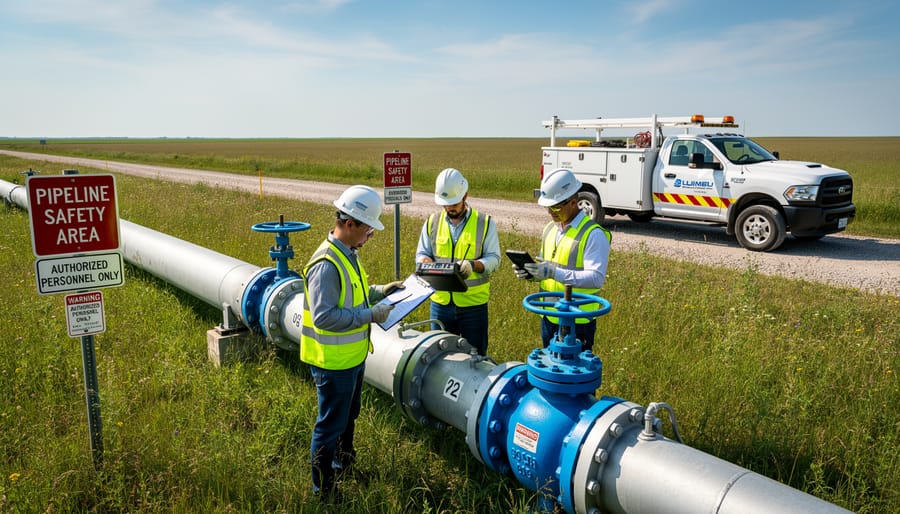
The Alberta Energy Regulator has ramped up enforcement in 2026, and these actions matter more to your bottom line than you might think. When the AER penalizes companies or shuts down operations, the ripple effects can touch everything from your utility bills to the reliability of energy services you depend on.
Three major enforcement cases this year show where the regulator is focusing its attention:
| Company | Issue | Action Taken | Potential Consumer Impact |
|---|---|---|---|
| Entrada Resources Inc. | Regulatory non-compliance | $437,611.98 administrative penalty (July 2, 2026) | Higher compliance costs may filter into utility rates as industry adjusts practices |
| Prairie Mines | Sediment release | Environmental Protection Order (May 15, 2026) | Cleanup costs and operational restrictions could affect regional supply and pricing |
| MAGA Energy | Operational violations | Operations suspended (April 23, 2026) | Supply disruptions in affected areas; costs redistributed among remaining operators |
The Entrada Resources penalty, approaching half a million dollars, signals that the AER won’t tolerate companies cutting corners on compliance. While that sounds like a problem for the company, those penalties often translate into industry-wide changes. When one operator gets hit with a major fine, others tighten their procedures to avoid the same fate. That means higher operating costs, and utility companies rarely absorb those expenses without passing at least some portion to consumers.
Prairie Mines faced an Environmental Protection Order for sediment releases, forcing immediate mitigation measures. Environmental violations like this carry direct consequences: cleanup is expensive, and when mines or energy facilities must halt or slow operations to fix problems, regional supply can tighten. You might not see an immediate spike on your next bill, but constrained supply in your area can mean less competitive pricing down the line.
The MAGA Energy suspension is the most dramatic action. When the AER shuts down an operator entirely, that capacity vanishes from the market. Other suppliers pick up the slack, but emergency redistribution of supply rarely happens at discount prices. If you’re a business that locked in rates based on regional supply assumptions, a suspension like this can mean renegotiating contracts or facing higher spot prices.
What these three cases reveal is straightforward: the AER is prioritizing environmental compliance and operational safety, and enforcement is getting more aggressive. For consumers and small business owners, that means two things. First, expect the regulatory environment to drive some cost increases as the industry adapts to stricter oversight. Second, pay attention to where enforcement happens geographically, because localized actions can create regional pricing differences that affect you directly.
New AER Rules That Could Affect Your Energy Costs
The AER rolled out several rule changes in early 2026 that carry real potential to affect what you pay for energy. These updates mainly target pipeline safety and operational standards, which sounds distant from your monthly bill until you realize utilities pass maintenance and compliance costs directly to consumers.
Bulletin 2026-27 focuses on pipeline integrity and leak detection during heavy rain and flooding. Alberta saw significant precipitation events in recent years, and this bulletin requires energy companies to enhance monitoring when water levels rise. Companies must now conduct more frequent inspections and deploy additional leak detection technology during wet periods. That means hiring more technicians, running more equipment, and maintaining stricter documentation. These aren’t optional expenses for operators, they’re mandatory costs that eventually filter down to ratepayers.
Directives 077 and 055 both received new editions this year (Bulletins 2026-26 and 2026-25 respectively). Directive 077 governs how companies decommission old wells and facilities, while Directive 055 sets standards for storing oilfield waste. The updated versions tighten requirements around environmental protection and site remediation. Operators now face stricter timelines for cleanup and more rigorous testing standards before a site gets cleared.
For you as a consumer, this matters because utility companies and pipeline operators factor compliance costs into their rate applications. When the AER mandates additional monitoring technology or accelerated decommissioning schedules, companies submit these expenses to regulators as justification for rate increases. Your local utility might apply for a rate adjustment citing infrastructure upgrades required under these new directives.
Watch for notices in your utility bills mentioning “regulatory compliance costs” or “infrastructure integrity programs.” These phrases often signal that AER rule changes are driving up operating expenses. While the regulations aim to protect the environment and public safety, understanding their cost implications helps you anticipate rate changes and ask informed questions when utilities request increases.
When the AER Holds Hearings: Your Chance to Be Heard
The AER uses hearings to gather information before deciding on applications for gas and oil wells, pipelines, sour gas processing plants, and major oil sands and coal projects. If an energy company wants to build infrastructure near your farm, business, or home, this hearing process is your opportunity to voice concerns, present evidence, and potentially influence the outcome.
Not every application goes to a hearing. The AER typically schedules hearings when a project could directly affect nearby landowners, when there are environmental concerns, or when the application involves significant infrastructure. You’ll be notified if a proposed project falls within a certain distance of your property, giving you a window to decide whether to participate.
Here’s how you can participate if a proposed energy project might affect you:
- Watch for notification. When an energy company files an application, the AER requires them to consult with potentially affected parties. You should receive written notice if you’re within the notification radius of a proposed well, pipeline, or facility.
- Review the application details. The AER posts applications on its website, including technical specifications, environmental assessments, and proposed locations. Look for how the project might affect your water, air quality, property access, or operations.
- Register your interest. If you have concerns, file a Statement of Concern with the AER before the deadline specified in your notification. This document should explain how the project might affect you specifically, not just general opposition.
- Prepare your evidence. Gather documentation that supports your concerns: photos of your property, water test results, records of existing operations, or expert opinions about potential impacts.
- Attend the hearing. Hearings may be held in person or virtually. You can present your evidence, call witnesses, and question the applicant’s representatives. You don’t need a lawyer, though some landowners choose to hire one for complex cases.
The hearing panel considers your testimony alongside the applicant’s evidence and expert reports. They evaluate whether the project serves the public interest while adequately protecting your rights and the environment.
If you’re not sure whether to participate, consider the project’s proximity to your operations and its potential long-term effects. A pipeline crossing your farmland or a processing plant upwind of your business warrants serious attention, even if the initial consultation seemed routine.
How to Check if AER Decisions Are Affecting Your Utility Bills

Regulatory changes don’t usually announce themselves on your monthly statement. But they do show up in your costs, often buried in line items most Albertans skip over. When the AER updates pipeline integrity requirements or issues enforcement orders, those decisions eventually filter down through the utility system. Your job is spotting the connection.
Start by learning how to read your utility bill properly. Most consumers focus on the commodity charge, the actual gas or electricity you consume. But energy delivery charges are where regulatory impacts typically surface. These charges cover transmission, distribution, and system access. When utilities must upgrade infrastructure to comply with new AER directives, those costs get passed through delivery rates.
Watch for sudden increases in transmission or distribution line items, especially if they follow AER bulletins about pipeline integrity or facility standards. Compare your bills quarter-over-quarter, not just month-to-month, since some charges are adjusted seasonally. If you notice a jump in delivery charges that exceeds typical seasonal variation, check whether your utility provider has filed recent rate applications citing compliance costs.
Contact your provider directly if delivery charges spike without explanation. Ask specifically whether recent AER directives or enforcement actions have triggered infrastructure work in your area. Utilities must justify rate increases to the Alberta Utilities Commission, so they’ll have documentation.
Keep copies of your bills over time. Patterns emerge more clearly when you can compare six to twelve months of statements side-by-side, making it easier to distinguish between normal fluctuations and regulatory-driven cost shifts.
What to Do When AER Regulations Create Problems for Your Business
When AER regulations disrupt your operations or drive up costs, start by contacting your utility provider directly. Explain the specific problem and ask whether recent regulatory changes are causing the issue. Your provider must follow customer service rules that govern response times and complaint handling, so document all communications in writing.
If your utility cannot resolve the concern, or if you believe a regulatory decision unfairly affects your business, you have several escalation options. The AER accepts public inquiries about specific decisions, enforcement actions, or applications. Call 1-855-297-8311 or submit questions through their website, referencing the bulletin number, decision, or project that concerns you.
For disputes involving billing errors, service interruptions, or infrastructure issues tied to regulatory changes, consider these resources:
- Alberta Energy Providers’ mediation services for independent dispute resolution
- AER public inquiry line for questions about specific decisions or applications
- Utilities Consumer Advocate for complaints about unfair rates or service
- Your local municipal office if infrastructure projects affect your property
Mediation often proves more effective than formal complaints for resolving complex disputes. A mediation story shows how independent facilitators help consumers reach practical solutions when regulatory changes create unexpected problems.
Act quickly when issues arise. Regulatory decisions move forward on fixed timelines, and waiting limits your options. Keep records of all rate increases, service disruptions, or infrastructure changes, noting dates and amounts. This documentation strengthens your case whether you pursue mediation, file a formal complaint, or participate in future AER hearings about similar projects in your area.
Understanding how the Alberta Energy Regulator operates gives you real power as an energy consumer. When you know what the AER does, how its enforcement actions work, and where new regulations come from, you’re better equipped to spot when decisions might affect your costs or service quality. You don’t need to become a regulatory expert, but staying aware of major AER bulletins and enforcement trends helps you ask the right questions when your bills change or infrastructure projects get proposed near your property.
The regulatory landscape shifts constantly. Checking the AER’s announcements a few times a year, especially around budget season, keeps you informed about changes that could ripple through to your utility rates. When you notice unexplained cost increases or service disruptions, you have options. Start by contacting your utility provider for clarification, then escalate to formal complaints if needed.
You’re not alone in navigating these challenges. Advocacy groups and mediation services exist specifically to help consumers understand their rights and resolve disputes when regulatory decisions create problems. Whether you’re a small business owner facing unexpected infrastructure charges or a homeowner concerned about a nearby energy project, professional support can level the playing field and ensure your voice gets heard.