
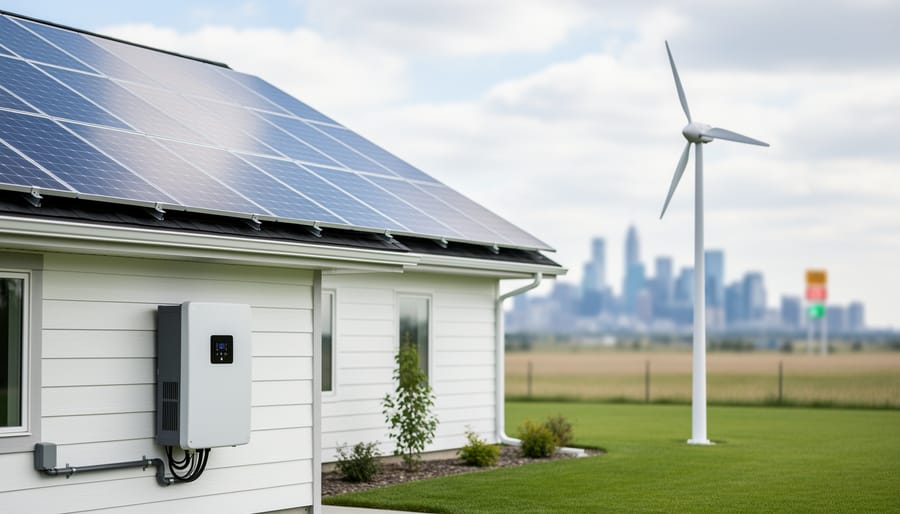
The Global Energy Show in Calgary serves as Western Canada’s premier gathering for energy professionals, bringing together stakeholders from traditional and renewable sectors to explore the future of power generation. For Alberta consumers interested in micro-generation and green energy options, this annual trade show offers direct access to solar installers, wind technology providers, and energy storage experts who can turn your residential or farm property into a clean power producer.
Alberta’s micro-generation framework allows property owners to generate up to 5 megawatts of renewable electricity and sell excess power back to the grid through net-billing arrangements. The Global Energy Show connects you with the vendors, financing options, and technical expertise needed to take advantage of these programs. You’ll find exhibitors showcasing the latest solar panel technology, micro-wind systems suitable for rural properties, and battery storage solutions that maximize your energy independence.
For small business owners and farmers, the show provides a practical opportunity to compare suppliers, understand installation costs, and learn about available rebates and incentives. Representatives from micro-generation equipment manufacturers and certified installers gather under one roof, making it easier to ask questions about system sizing, payback periods, and compatibility with your existing electrical setup.
The event also features educational sessions covering Alberta’s regulatory requirements, grid connection processes, and consumer protection measures. Understanding your rights as an energy producer is essential before signing contracts or making significant capital investments. Whether you’re exploring your first renewable project or looking to expand existing capacity, the Global Energy Show offers the resources and connections Alberta consumers need to make informed decisions about clean energy generation.
Understanding the Global Energy Show’s Role in Alberta’s Energy Transition
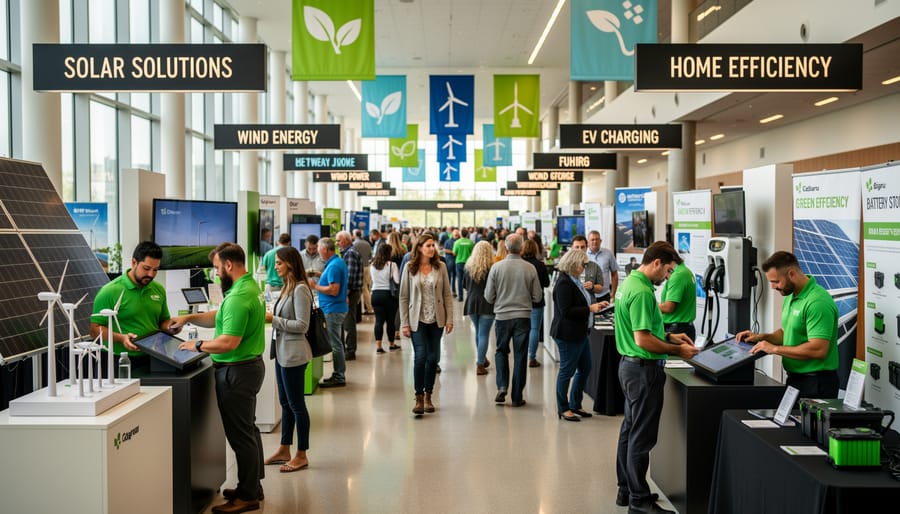
The Global Energy Show has historically centred on oil and gas, but over the past five years it has expanded to reflect Alberta’s shifting energy landscape. Today, the event features a growing renewable energy pavilion where micro-generation equipment suppliers, solar installers, and battery storage providers demonstrate systems designed for farms, small businesses, and residential properties. You will find exhibitors ranging from large-scale wind turbine manufacturers to companies offering rooftop solar kits sized for a single-family home or a small agricultural operation.
This evolution matters because it brings technologies that were once difficult to source or evaluate directly to Alberta consumers. Instead of relying solely on online research or cold-calling installers, attendees can compare competing systems side by side, ask detailed questions about durability in Calgary’s climate, and walk away with pricing tailored to their actual property and energy usage. The show now regularly features sessions on net metering, grid interconnection procedures, and financing options specific to Alberta’s regulatory environment.
Renewable technology providers exhibit everything from polycrystalline solar panels tested in sub-zero conditions to hybrid inverters that manage both grid power and battery backup. Energy solutions companies demonstrate monitoring software that tracks production and consumption in real time, helping you understand whether a proposed system will deliver the savings the installer promises. You will also encounter distributors of micro-wind turbines suitable for rural properties with consistent wind exposure, and installers experienced with Alberta Utilities Commission connection approvals.
The show’s value lies in access and concentration. Rather than scheduling separate appointments with half a dozen vendors over weeks, you can gather multiple quotes, assess product quality firsthand, and identify which companies have a track record of successful micro-generation installs in Alberta. For consumers exploring green energy options, this direct engagement reduces risk and clarifies what is realistic for your budget and property.
Micro-Generation Opportunities Showcased at the Event
Regulatory Framework and Consumer Rights
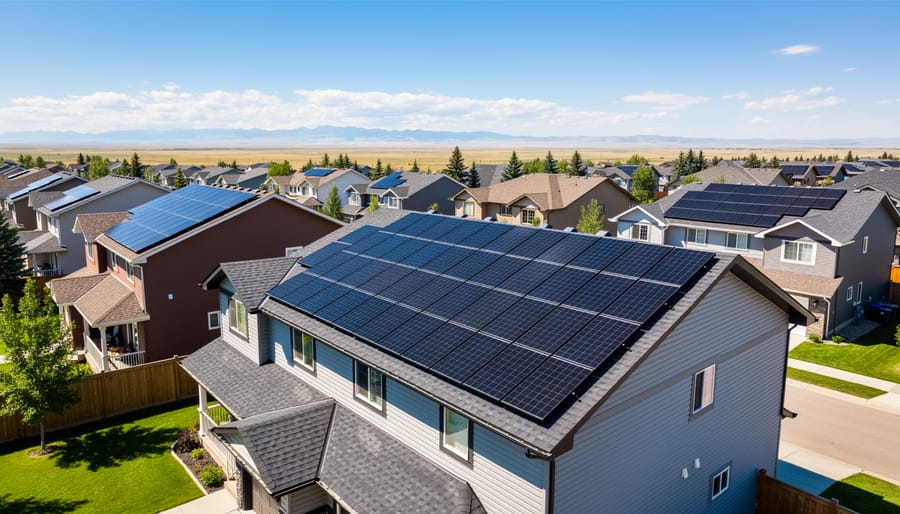
Alberta’s micro-generation framework operates under rules set by the Alberta Energy Regulator and individual distribution utilities. If you’re considering installing solar panels or a small wind turbine, you’re limited to systems no larger than 5 megawatts, though most residential and farm installations fall well below 1 megawatt. The regulations define how your system connects to the grid and how you get credited for excess power you generate.
Net billing replaced the older net metering system in recent years. Under net billing, you receive credits at the retail electricity rate for power you send to the grid, which offsets what you draw when your system isn’t producing. This arrangement sounds straightforward, but billing accuracy and credit calculations have sparked disputes between consumers and utilities. Some micro-generators report confusing bills, delayed credits, or unclear explanations of how their energy contributions are valued.
Connection requirements demand technical compliance. Your system must meet safety standards, pass inspections, and gain utility approval before you flip the switch. Utilities can impose interconnection fees, though these vary by provider and system size. Small residential systems typically face lower costs than commercial installations, but transparency around these fees isn’t always consistent.
Consumer protections exist, but enforcement depends on vigilance. You have the right to fair treatment during the application process, timely interconnection once approvals are granted, and accurate billing that reflects your net consumption. When utilities delay approvals without clear justification or miscalculate credits, advocacy groups work to hold them accountable and push for clearer rules.
If you encounter roadblocks or billing errors, mediation services can help resolve disputes without litigation. These services specialize in navigating utility bureaucracy and ensuring your rights as a micro-generator are respected throughout the installation and operational phases.
How Consumers Can Leverage the Show for Green Energy Planning
Walking the floor at the Global Energy Show can be overwhelming without a clear plan. Start by defining your energy goals before you arrive: are you aiming to reduce utility bills, achieve energy independence, or offset emissions? Knowing your budget and consumption patterns helps you filter out technologies that won’t fit your situation. Too many attendees leave with glossy brochures and vague promises instead of actionable information.
When you approach exhibitors, ask pointed questions. Request real-world performance data from Alberta installations, not just manufacturer specs tested in ideal conditions. Ask who handles local installation, what happens if the system underperforms, and whether warranties cover parts, labour, or both. Find out how long the company has operated in Alberta and whether they provide ongoing maintenance support. If a vendor dodges these questions or pushes for an immediate commitment, walk away.
Evaluating technology claims requires skepticism. A solar panel’s rated capacity matters less than its actual output in Calgary’s climate. Ask for production estimates based on your specific location and roof orientation, and get those projections in writing. For any system, clarify what happens during grid outages, how billing works under net metering, and what approvals your utility requires before installation.
Follow a methodical approach when planning your micro-generation investment:
- Identify your energy goals and budget based on recent utility bills and consumption data
- Research exhibitors and technologies beforehand to make efficient use of show time
- Ask about warranties, performance guarantees, and local installation support from every vendor
- Verify regulatory compliance and utility connection processes specific to your distributor
- Consult with consumer advocacy resources before signing contracts or making deposits
Pay special attention to utility interconnection requirements. Each distributor has different timelines, application forms, and technical standards. Clarify who submits the interconnection application, how long approval typically takes, and what costs you’ll bear. If you encounter utility connection delays or disputes over billing arrangements, recognize that mediation support exists to resolve these issues without prolonged conflict. Don’t assume problems will sort themselves out after installation.
Advocacy and Consumer Protection in Alberta’s Green Energy Landscape
Adopting micro-generation in Alberta shouldn’t feel like an uphill battle, but many consumers face frustrating roadblocks. Grid connection approvals can drag on for months without explanation. Billing statements arrive with unexplained charges or fail to properly credit exported energy. Some utility policies impose restrictions that seem designed to discourage rather than enable small-scale renewable installations. These barriers slow Alberta’s green energy transition and leave consumers feeling powerless.
Consumer advocacy groups actively challenge these obstacles by engaging regulators, submitting evidence-based recommendations to the Alberta Utilities Commission, and pushing for clearer rules around interconnection timelines and net billing transparency. They’ve successfully argued for standardized connection processes and improved disclosure requirements, making it harder for utilities to bury micro-generators in red tape. This advocacy work directly benefits anyone considering solar panels or other distributed energy systems by creating a fairer, more predictable framework.
When disputes arise over delayed connections, incorrect billing, or denied applications, mediation resolves disputes without forcing consumers into expensive legal battles. Mediators who understand Alberta’s energy regulations can address technical disagreements about system sizing, meter configurations, or export credit calculations. They help both parties reach practical solutions faster than formal complaints, which can take a year or more to resolve through the AUC.
If you’re planning a micro-generation project, know your rights before installation. Review your utility’s specific interconnection agreement, understand how net billing affects your monthly statements, and document every communication about your application. When problems surface, don’t accept vague explanations. Consumer protection exists to ensure utilities follow the rules, and support is available when they don’t.
Common Questions About the Global Energy Show and Micro-Generation
Is the Global Energy Show open to the public or just industry professionals?
The show primarily targets industry professionals, but many exhibitors welcome serious inquiries from business owners and consumers exploring micro-generation options. Registration requirements vary by year, so check the event website before planning your visit.
What should small business owners prioritize when exploring micro-generation at the show?
Focus on understanding total system costs beyond equipment prices, installation, permitting, utility interconnection fees, and ongoing maintenance. Ask exhibitors about warranty terms, local installation experience, and realistic production estimates for Alberta’s climate rather than generic national averages.
How does net billing work in Alberta for micro-generation systems?
Under net billing, your utility credits excess electricity you generate at the wholesale pool price, not the retail rate you pay. This means your credits are typically lower than what you’d save by using the power yourself, making battery storage or load timing strategies worth considering.
What if my utility company delays my micro-generation connection approval?
Unreasonable delays or unclear requirements may warrant filing a complaint with the Alberta Utilities Commission or seeking mediation support. Document all communications and timelines to protect yourself if the situation escalates.
Where can I get independent advice on renewable energy systems before committing?
Look for advocacy organizations and consumer groups that offer unbiased guidance on micro-generation feasibility, financing options, and regulatory compliance. Independent energy advisors can review vendor proposals and help you avoid common pitfalls in contract terms or performance guarantees.
Beyond these common questions, remember that each micro-generation project has unique site conditions, utility requirements, and financial considerations. The Global Energy Show offers a chance to compare technologies and vendors in one place, but treat it as the starting point for research rather than a place to make immediate commitments. Take business cards, collect detailed specifications, and give yourself time to verify claims and run your own numbers. If you encounter resistance from your utility during the connection process or face unexpected billing issues after installation, you have recourse through regulatory channels and mediation services designed to ensure fair treatment for Alberta energy consumers.
The Global Energy Show in Calgary stands as a valuable touchpoint for Alberta consumers navigating the shift toward renewable energy and micro-generation. By bringing together technology providers, industry experts, and practical solutions under one roof, the event offers small business owners, farmers, and homeowners a chance to evaluate options, ask critical questions, and move from curiosity to concrete planning.
Informed decision-making remains your strongest tool. Take time to verify claims, understand your utility’s interconnection process, and compare systems against your specific energy needs and budget. When obstacles arise, whether connection delays, billing disputes, or unclear utility policies, advocacy and mediation services exist to protect your rights and ensure fair treatment.
Alberta’s green energy landscape continues to evolve, shaped by advancing technology, shifting regulations, and growing consumer participation in micro-generation. Your voice matters in this transition. By staying informed, engaging with industry events like the Global Energy Show, and holding utilities accountable through available support channels, you contribute to a more accessible, equitable energy future. The path forward depends on consumers who ask the right questions, demand transparency, and refuse to navigate complex systems alone.